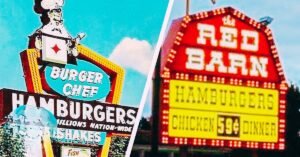
If you’ve ever wondered why iconic Hollywood fast food feels bigger than just burgers and fries, you’re not alone. In Hollywood, fast food isn’t just convenient—it’s cultural currency. From late-night celebrity sightings to movie-inspired limited editions, the relationship between the film industry and drive-thru dining is, honestly, kind of legendary.
This isn’t just about grabbing a quick meal. It’s about how celebrity culture, American food culture, and the glamour of Los Angeles merged to create something iconic. And yeah, it’s way more fascinating than it sounds at first.
The Origins of Iconic Hollywood Fast Food
Direct answer: Iconic Hollywood fast food began in the early 20th century as the growing film industry demanded quick, accessible dining options for busy actors and crews.
As the Hollywood film industry → increased demand for → quick and accessible dining options, restaurants adapted fast. During the Golden Age of Hollywood, actors needed efficient meals between shoots. Studios were booming. Schedules were wild. Time was money, literally.
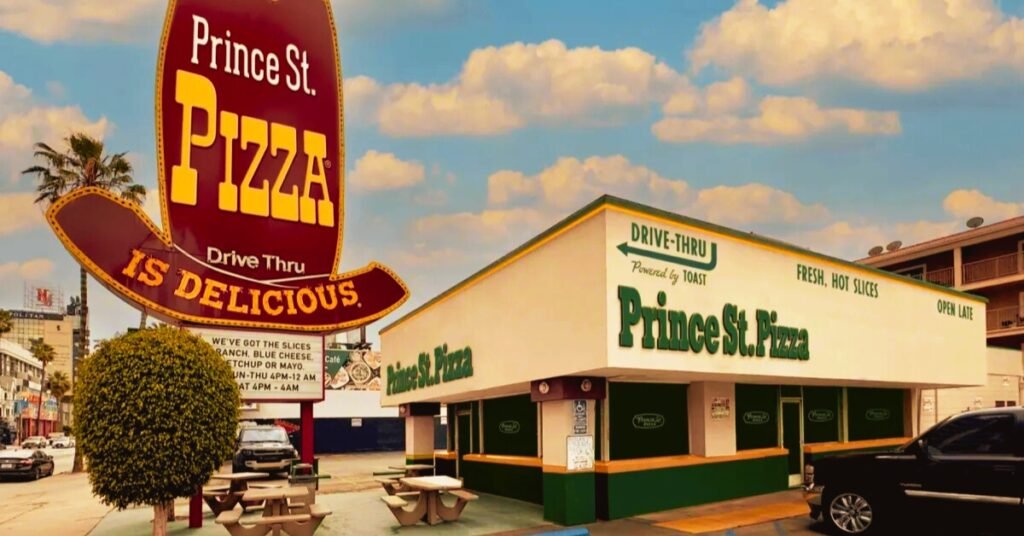
Drive-ins quickly became part of the solution. And here’s the simple truth:
- Drive-in restaurants → enabled → celebrities to dine privately in vehicles.
- Privacy met convenience.
- Glamour met grease (in the best way).
Chains like A&W Restaurants and later McDonald’s shaped early fast food expansion. These brands didn’t just feed people—they fed a lifestyle. You could pull up in a convertible, order a burger, and feel like a movie star. Even if you weren’t one.
Over time, fast food stops became social hubs for writers, producers, and actors. Deals were whispered over milkshakes. Scripts probably got pitched over fries. It wasn’t fancy dining—but that was kind of the point.
The Celebrity-Favorite Fast Food Spots That Became Legends
Direct answer: The most iconic Hollywood fast food restaurants are those frequently associated with celebrity sightings and pop culture references.
1. In-N-Out Burger
If there’s a crown jewel of iconic Hollywood fast food, this might be it.
- Known for the double-double cheeseburger
- Famous for Animal-style fries
- Built on fresh ingredients and simplicity
In-N-Out Burger → developed → cult following among celebrities and locals.
From pop stars to late-night hosts, everyone seems to have a story about grabbing burgers after an awards show. It represents California’s laid-back luxury, which sounds contradictory, but it works.
The not-so-secret “secret menu” also adds mystique. That exclusivity mirrors Hollywood itself—if you know, you know.
2. Pink’s Hot Dogs
Operating since 1939, Pink’s isn’t just a hot dog stand—it’s practically a monument.
Celebrities from old-school film legends to modern influencers have lined up here. The walls are covered with signed photos. It’s nostalgic comfort food wrapped in Tinseltown history.
And really, few things scream “classic Hollywood” more than a chili dog at midnight.
3. Taco Bell
Yes, it’s mainstream. But it’s also iconic.
Late-night filming sessions and after-parties often lead to Taco Bell runs. The brand has cleverly leaned into celebrity endorsements and social media culture.
And here’s a key relationship:
Celebrity endorsements → influenced → fast food marketing strategies.
When stars publicly rave about menu items, fans follow. It’s simple marketing psychology, honestly.
4. Shake Shack
Originally from New York, Shake Shack found a natural home in Los Angeles.
It sits at the intersection of fast casual dining and upscale simplicity. Hollywood elites love that balance. It feels premium, but still relaxed. That vibe matters.
5. KFC
The Original Recipe with its 11 herbs and spices has deep roots in American nostalgia.
Comfort food matters in an industry built on pressure. Sometimes, even A-listers want fried chicken in a bucket. Not everything has to be kale.
The Drive-In Era: When Cars and Celebrities Ruled
Direct answer: Drive-in restaurants revolutionized iconic Hollywood fast food by combining mobility, privacy, and social interaction.
In mid-century Los Angeles, car culture exploded. Convertibles cruised down Sunset Boulevard. Neon signs glowed at night. And drive-ins thrived.
The formula was genius:
- Quick service
- Minimal public exposure
- A built-in social scene
For rising stars, it was perfect. They could be seen—but on their terms. It’s kind of ironic, because now paparazzi chase drive-thrus.
Drive-ins weren’t just functional. They shaped American lifestyle branding. The aesthetic—roller skates, chrome counters, glowing signage—became cinematic. Hollywood didn’t just eat there. It filmed there.
How Hollywood Influences Fast Food Trends
Direct answer: Hollywood influences fast food trends through film tie-ins, celebrity collaborations, and pop culture integration.
The relationship goes both ways.
Blockbuster films → triggered → limited-time themed fast food menu items.
Think movie-themed cups, collectible toys, character-branded meals. Studios partner with chains to amplify hype. Audiences connect food with entertainment experiences.
This strategy works because:
- Fans crave immersive experiences.
- Food is an accessible extension of fandom.
- Brands gain cultural relevance.
Fast food chains often launch items timed with premieres. It creates urgency. It feels exclusive. Even if it’s just a slightly different burger wrapper.
Hollywood narratives drive emotion. Fast food brands monetize that emotion. It’s business, sure—but it’s also kinda brilliant.
Iconic Menu Items That Became Cultural Symbols
Direct answer: Certain fast food menu items achieved iconic status because of their association with celebrities, films, and nostalgia.
Here’s a quick breakdown:
| Menu Item | Why It’s Iconic | Cultural Tie-In |
|---|---|---|
| Double-Double | Simplicity + celebrity love | California lifestyle |
| Animal-Style Fries | Secret menu mystique | Insider Hollywood vibe |
| Chili Dog (Pink’s) | Historic celebrity visits | Golden Age nostalgia |
| Original Recipe Chicken | Comfort food legacy | American cultural staple |
Food becomes iconic when it represents more than flavor. It represents belonging.
When influencers post from a specific location, it becomes aspirational. When movie characters eat at recognizable chains, it becomes symbolic.
And sometimes, honestly, it’s just really good food.
Economic & Tourism Impact of Iconic Hollywood Fast Food
Direct answer: Iconic Hollywood fast food locations significantly contribute to local tourism revenue and cultural branding.
Tourists don’t just visit studios—they visit burger joints.
Visitors traveling to Hollywood often:
- Stop at Pink’s for photos
- Hunt for celebrity sightings at In-N-Out
- Explore historic fast food architecture
This culinary tourism generates consistent foot traffic. Fast food becomes part of the Hollywood itinerary. It’s affordable, accessible, and Instagram-friendly.
Local economies benefit from:
- Increased merchandise sales
- Social media exposure
- Repeat tourist visits
Hollywood’s brand equity extends to its dining institutions. That’s not accidental. It’s built over decades.
Architectural & Pop Culture Significance
Direct answer: Many iconic Hollywood fast food spots are culturally significant due to retro architecture, film appearances, and historic signage.
Neon signs. Mid-century modern design. Chrome exteriors.
These aren’t random design choices—they reflect eras of Hollywood storytelling. Many fast food locations have appeared in films and TV shows, reinforcing their mythic status.
Even closures become newsworthy. When a long-standing Arby’s location shut down on Sunset Boulevard, it symbolized the end of an era.
Architecture matters because:
- It anchors nostalgia.
- It reinforces authenticity.
- It becomes visually tied to pop culture memory.
You can’t CGI that kind of heritage.
The Psychology Behind the Obsession
Why does iconic Hollywood fast food fascinate people so much?
Because it blends:
- Accessibility
- Fame
- Nostalgia
- Storytelling
It allows fans to physically participate in Hollywood culture without a studio pass.
You may not win an Oscar. But you can eat the same burger your favorite actor grabbed after a premiere. That connection feels real, even if it’s symbolic.
And maybe that’s the magic.
The Future of Iconic Hollywood Fast Food
The landscape keeps evolving.
We’re seeing:
- Plant-based menu expansions
- Digital ordering experiences
- Influencer-driven collaborations
But the core formula remains unchanged.
Hollywood culture → shapes → consumer dining trends.
Fast food brands → adapt → pop culture narratives.
As long as entertainment drives emotion, and food remains universal, this relationship will continue. It’s almost inevitable.
Fast food in Hollywood isn’t fading. It’s adapting. And honestly, that’s very on-brand.
Frequently Asked Questions
What makes fast food “iconic” in Hollywood?
Fast food becomes iconic in Hollywood when it connects with celebrity culture, film history, and local tradition. Frequent celebrity visits, movie appearances, and nostalgic architecture elevate certain locations beyond typical chain status, turning them into cultural landmarks.
Why is In-N-Out Burger so associated with Hollywood?
In-N-Out is tied to Hollywood due to its California roots, celebrity sightings, and secret menu culture. Its simplicity and quality resonate with stars and locals alike, reinforcing its cult status within Los Angeles dining culture.
How does Hollywood influence fast food marketing?
Hollywood influences marketing through film tie-ins, celebrity endorsements, and themed limited-time offerings. Movie releases often align with promotional meals, creating emotional connections between entertainment experiences and food purchases.
Do tourists visit Hollywood just for fast food?
Many tourists include iconic fast food stops in their Hollywood itineraries. These restaurants offer affordable access to celebrity culture, historic ambiance, and photo-worthy experiences tied to entertainment history.

Sammy is a passionate blogger specializing in puns and jokes. With a knack for wordplay, she brings laughter to his readers through clever humor and delightful insights.